The practice
Image. Texture.
Time.
A city, a memory, a changing sense of self. The work gives personal material a form through drawing, collage, and code. The tools and surfaces change; the attention to structure remains.
The mark and the ground
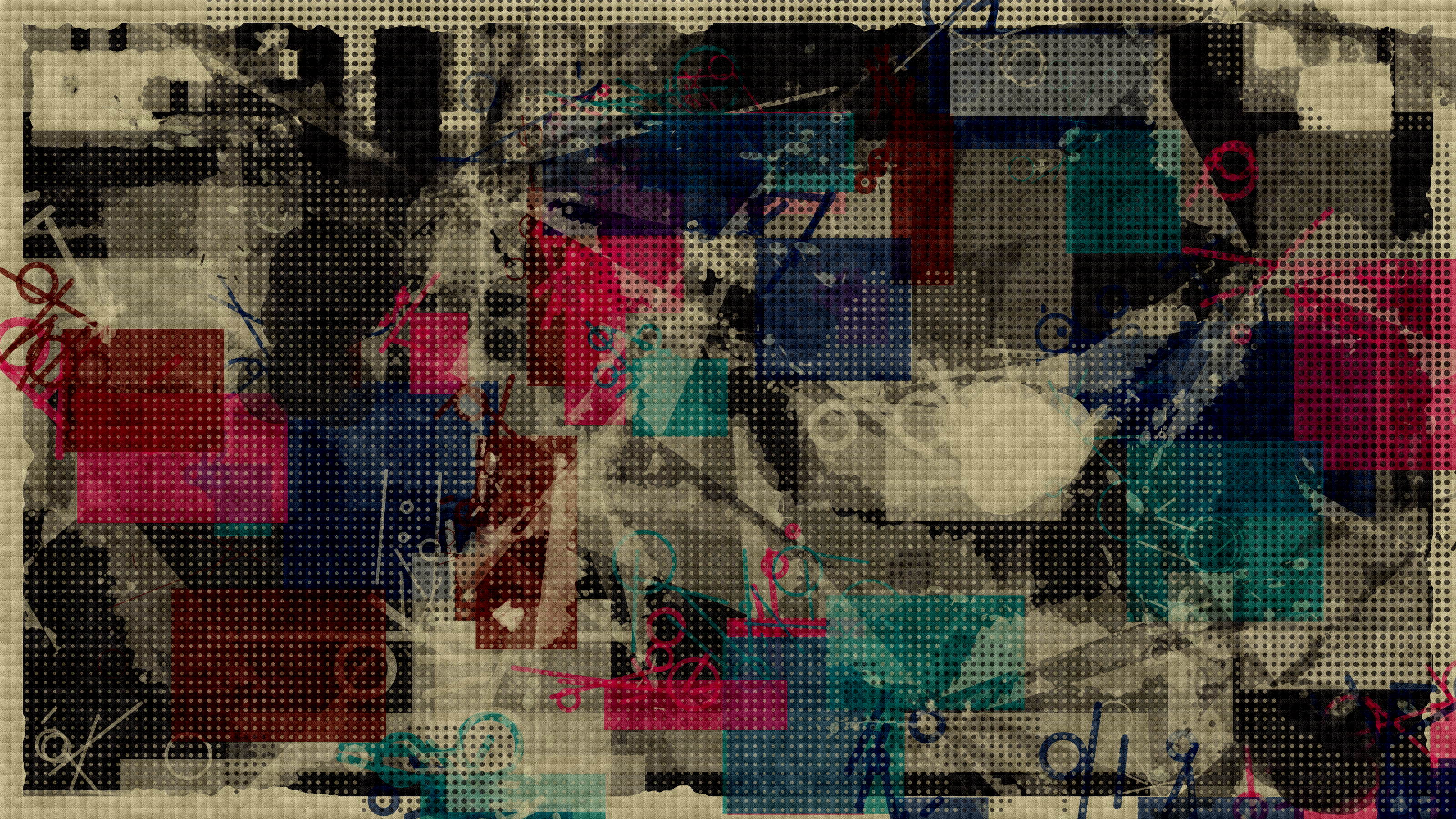
The mark is ink; the ground is texture. Black, ink-like forms return across individual works and series, in conversation with the surfaces around them.
Texture is central to the work, built with as much care as the forms it holds. Grids, blocks, and repeated shapes give the image its structure. Some works leave almost everything out; others fill the frame. The balance between restraint and density keeps changing.
Place, identity, change
Places return as colour, pattern, and atmosphere. Berlin drawings become part of a work made in Saigon; memories of Montreal become texture. The image carries an impression of a place, while its writing often holds the lived details.
Portraits are assembled through sampling, collage, and abstraction. In Gentlemen and Lotus, identity takes shape as an aspiration that keeps changing. Liminality gives form to a period between one state of life and the next.
The image and its words
Poems, passing thoughts, and fragments of daily life live inside the artworks, most often in their HTML headers. Inscribed alongside the image, they form a digital, immutable journal: a record of a place, a moment, a state of mind.
The image and its words work like music and lyrics, each carrying something the other cannot.
Working with a system
Code is part of the image. The move from p5.js to self-contained JavaScript, Canvas, and WebGL grew alongside the demands of making work for Bitcoin. File size, a grid, or a set of generative rules can shape the result. The constraints remain visible in what they produce.
Recent works are written in part with large language models. The code, the logic, and the image belong to the same object: a small system made to run from what is inscribed.
The Paint Engines open some of those systems. Another person can enter, decide, and produce an image. The engine is authored; the outcome is not predetermined.
Time as material
Writing holds a moment; a running artwork can keep changing. In BEST BEFORE, a work begins sealed. Opening it starts a life measured in Bitcoin blocks, with a lifespan determined by on-chain data. Most will expire; a rare work may never do so. The collector’s decision and the passing of time become part of the image.
Beyond the screen
The work also takes a physical form. A print gives the image a scale, a paper surface, and a place in a room. The Paint Engines extend that possibility into bespoke visual environments for hotels, rental properties, and private residences.
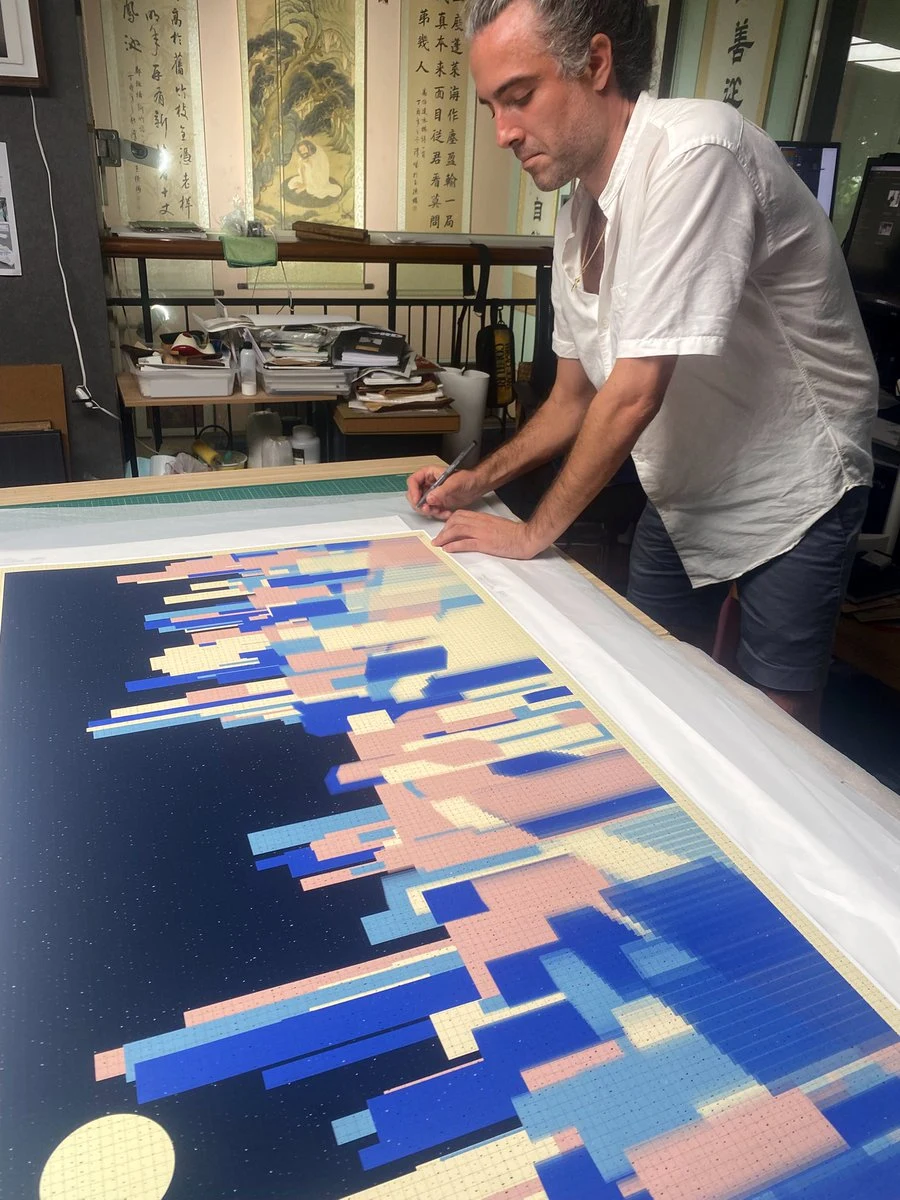
Photograph shared by Lemonhaze, August 2025. Read the print note ↗︎
Across the years
Eight selected works and series, 2023–2026.
2023
Berlin · 99 Francs ↗︎
Hand-drawn forms and textured colour carry the memory of a place.
Gentlemen · Nº4 ↗︎
The portrait becomes an assembled surface, carrying an aspiration that keeps changing.
2024
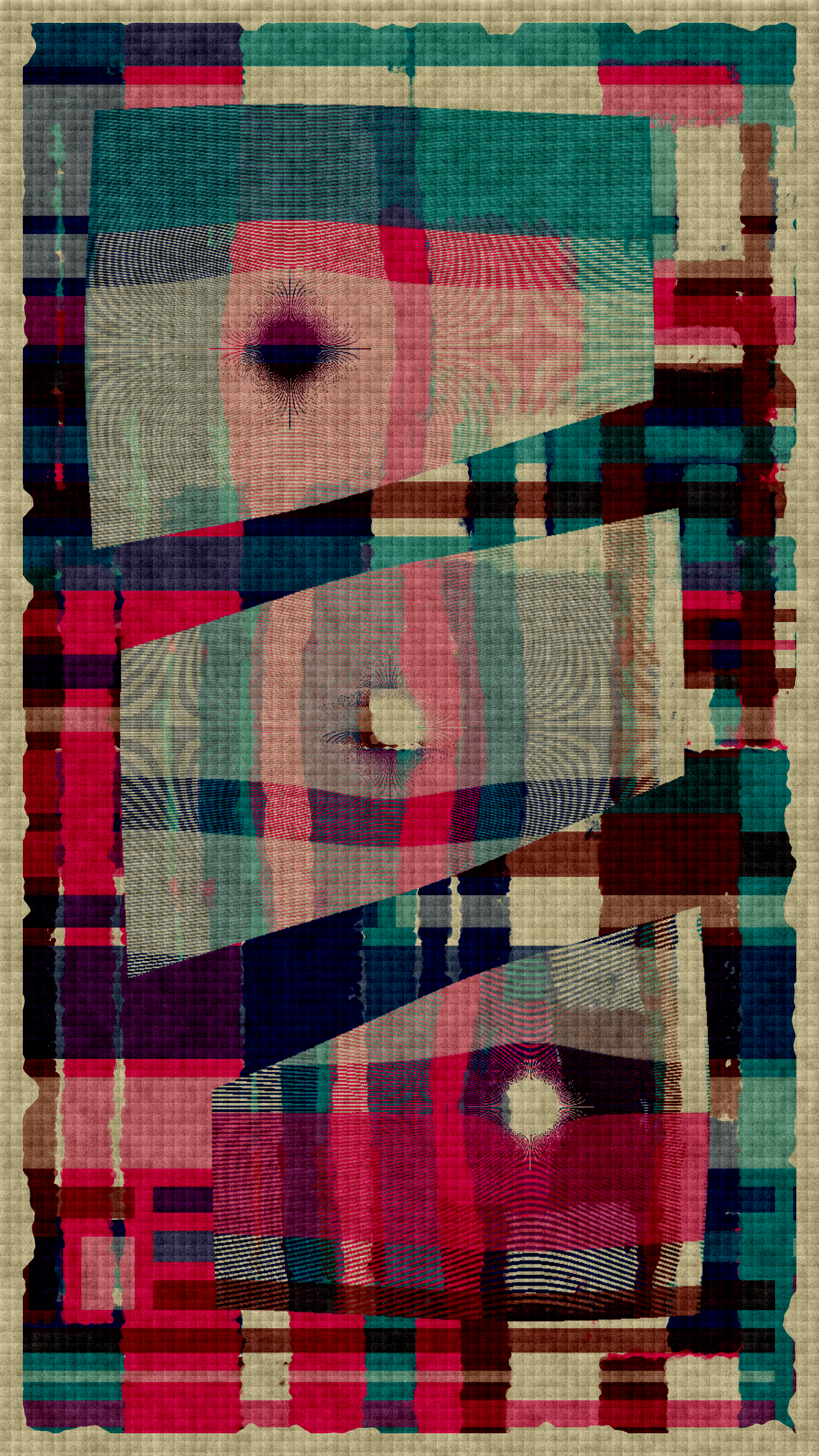
Manufactured / Games ↗︎
Textile patterns become generative fields. Games extends Manufactured into personally dedicated works.
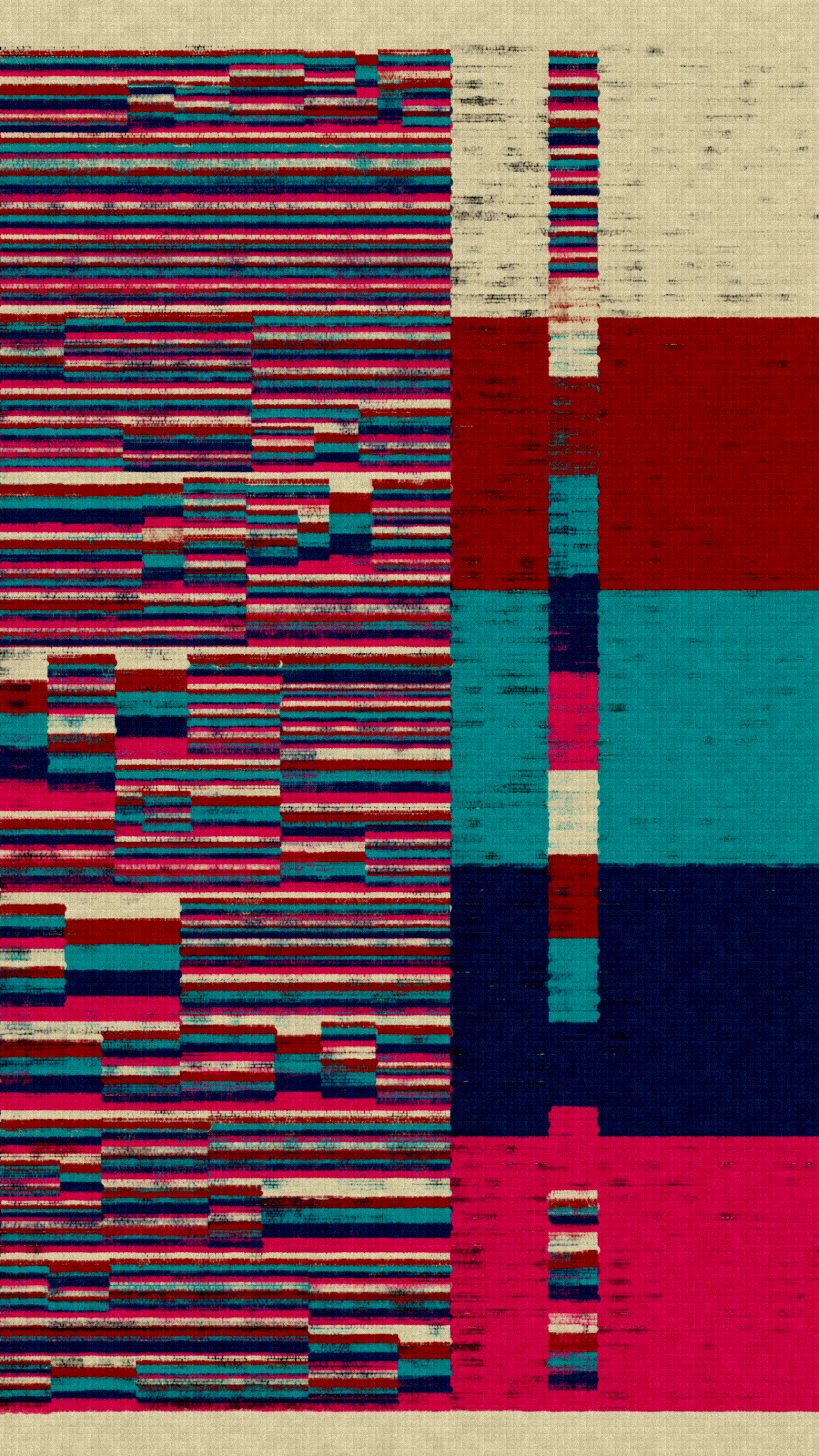
Montreal ↗︎
A remembered city becomes colour and texture. Place gives the structure a personal history.
2025
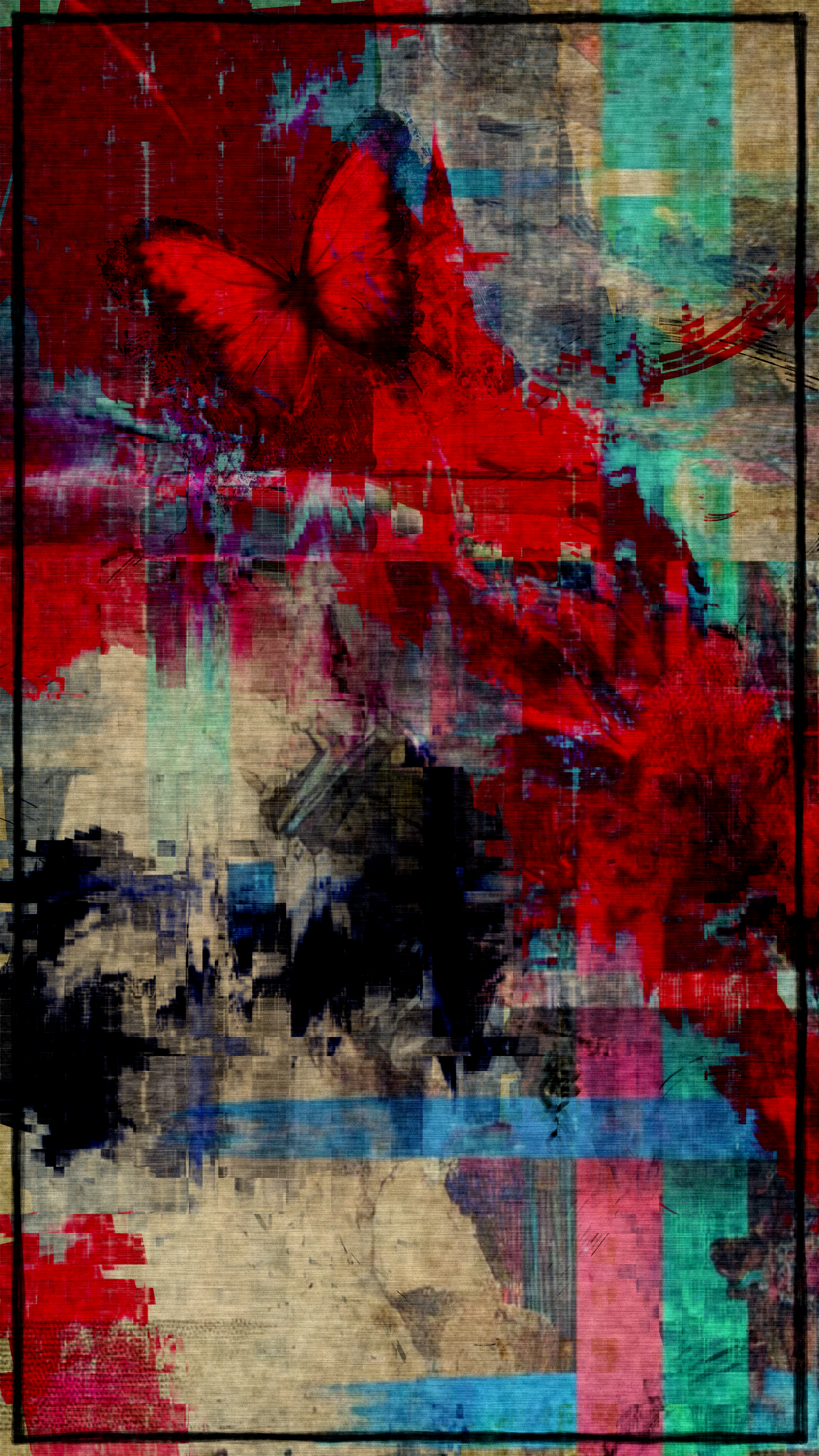
Minute, papillon! ↗︎
Made in the same period as Chanchanok’s Temple, as new tools and techniques entered the work.
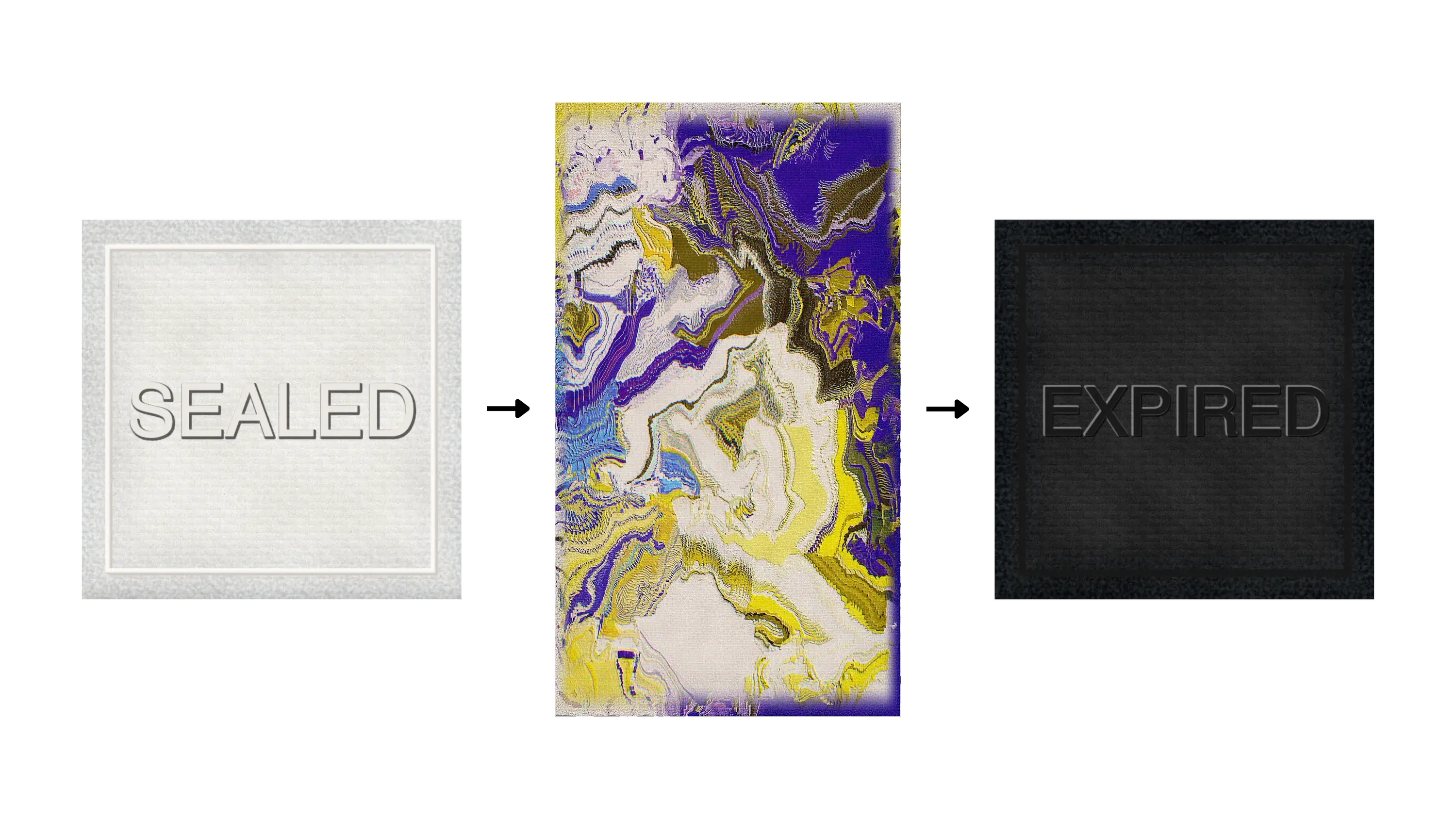
BEST BEFORE ↗︎
Sealed, opened, expired. The collector’s choice and Bitcoin block time shape the work’s life.
2026
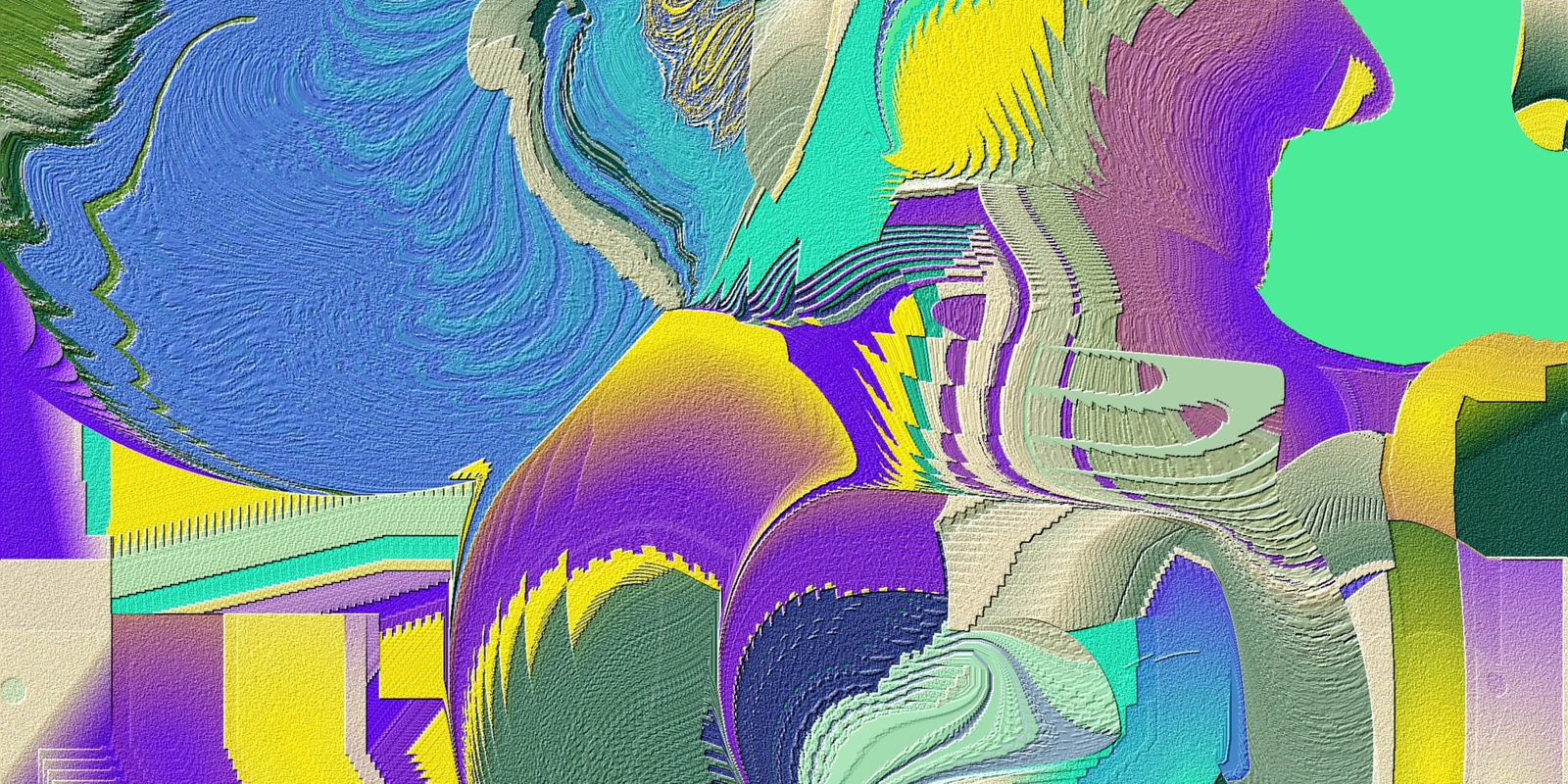
Paint Engines ↗︎
The system opens to another person. Palette, texture, and composition become choices to make.
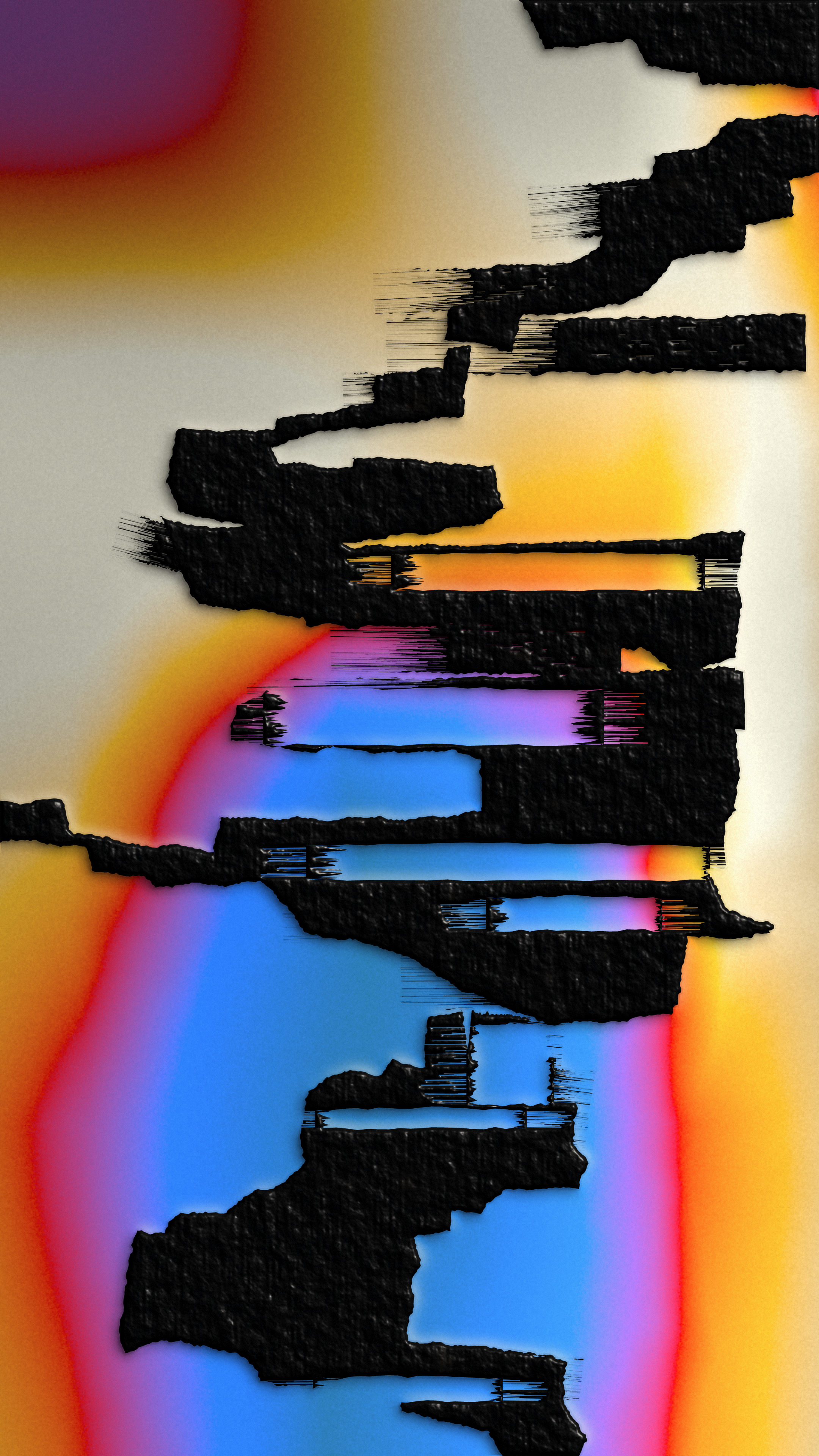
Confabulation · Wernicke ↗︎
Perception and orientation begin to fail, opening Confabulation’s study of unreliable memory.
Further into the studio
Original writing, process photographs, and the stories around the works.